Seasonal Gardening · Canada
Grow more from your backyard
Planting calendars, composting guides, and crop rotation strategies built around Canadian growing conditions — from Zone 2 in the Prairies to Zone 8 on the Pacific coast.

Planting calendars, composting guides, and crop rotation strategies built around Canadian growing conditions — from Zone 2 in the Prairies to Zone 8 on the Pacific coast.
Topics
Practical, region-specific information covering the main pillars of productive home vegetable gardening.
Zone-specific schedules for starting seeds indoors, transplanting, and direct sowing.
Amendments, pH testing, and bed preparation for Canadian clay and sandy soils.
Cold composting, hot composting, and vermicomposting adapted for Canadian winters.
Four-bed rotation systems that reduce disease pressure and improve soil fertility.
Articles
In-depth guides on planning, preparing, and maintaining a productive vegetable garden across Canadian climate zones.

Planting Calendar
A month-by-month guide to starting seeds, transplanting, and harvesting vegetables across Zones 3–7 in Canada.
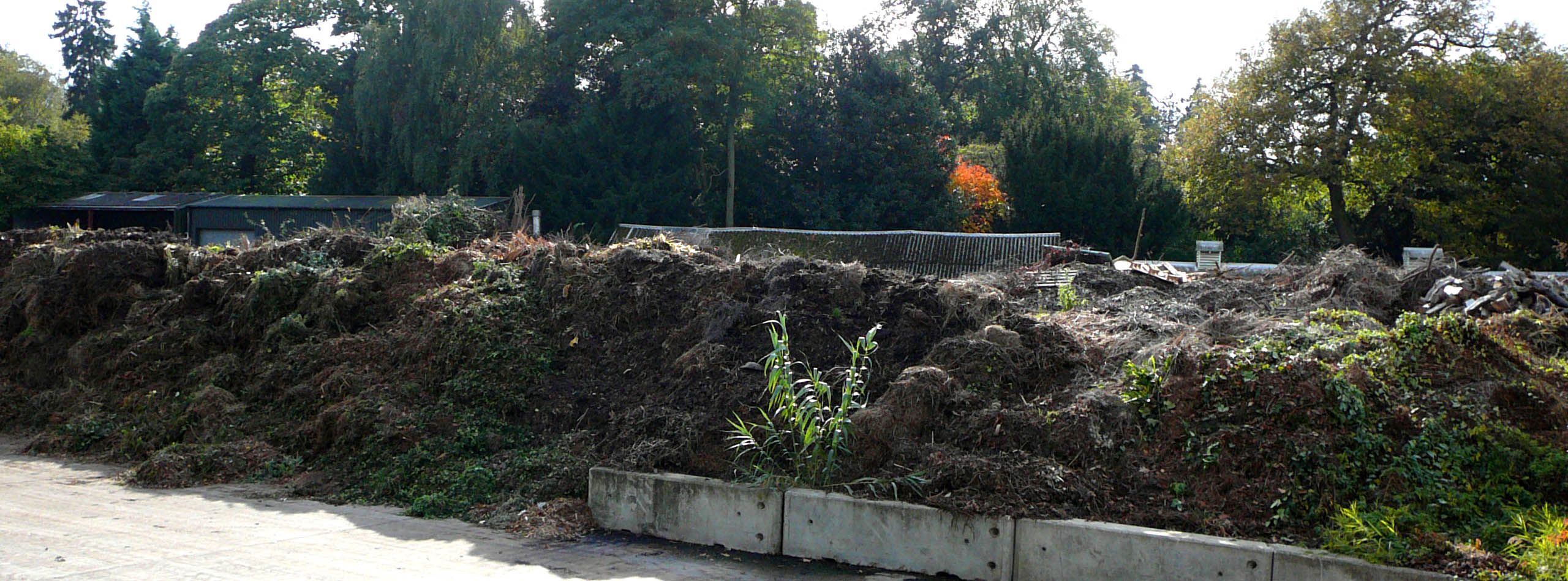
Composting
How to choose and maintain a composting system that works through Canadian winters and produces usable compost year-round.

Crop Rotation
A practical four-family rotation system that helps prevent soil depletion and reduce common vegetable diseases over time.
Canadian Growing Zones
Canada spans Plant Hardiness Zones 0 through 8, according to Agriculture and Agri-Food Canada. A gardener in Kelowna, BC (Zone 6b) can transplant tomatoes four to six weeks earlier than one in Saskatoon, SK (Zone 3b).
Last frost dates, total growing degree days, and precipitation patterns all differ significantly by province and even by microclimate within a city. Most content on this site specifies applicable zones so you can filter for your location.
For zone lookup, the Agriculture Canada interactive map provides address-level hardiness data without requiring registration.

Contact
Use the form below to send a question or suggestion. No account required.
Fields marked with * are required.